






Chandeliers and lustres: our buyer's guide
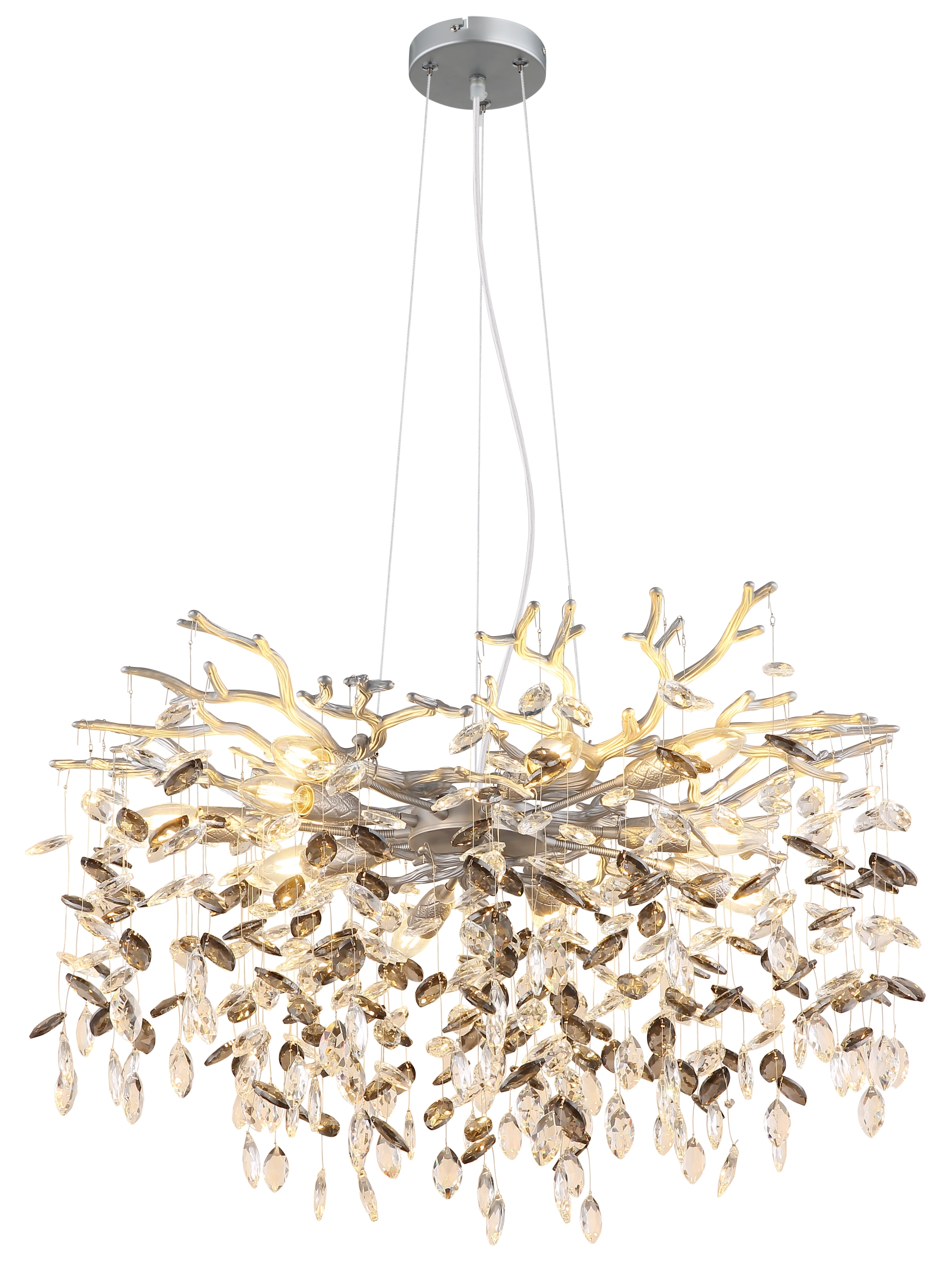
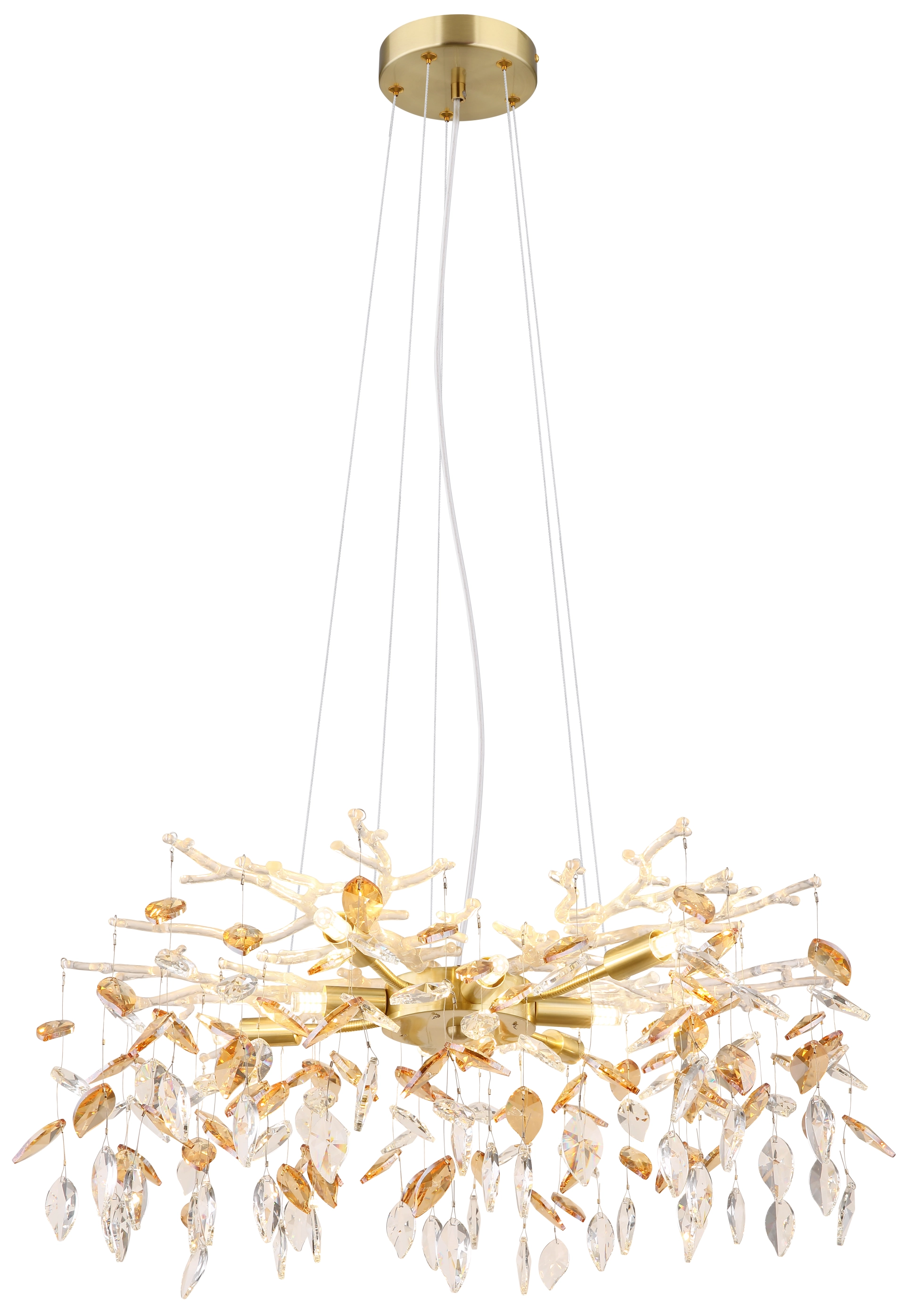
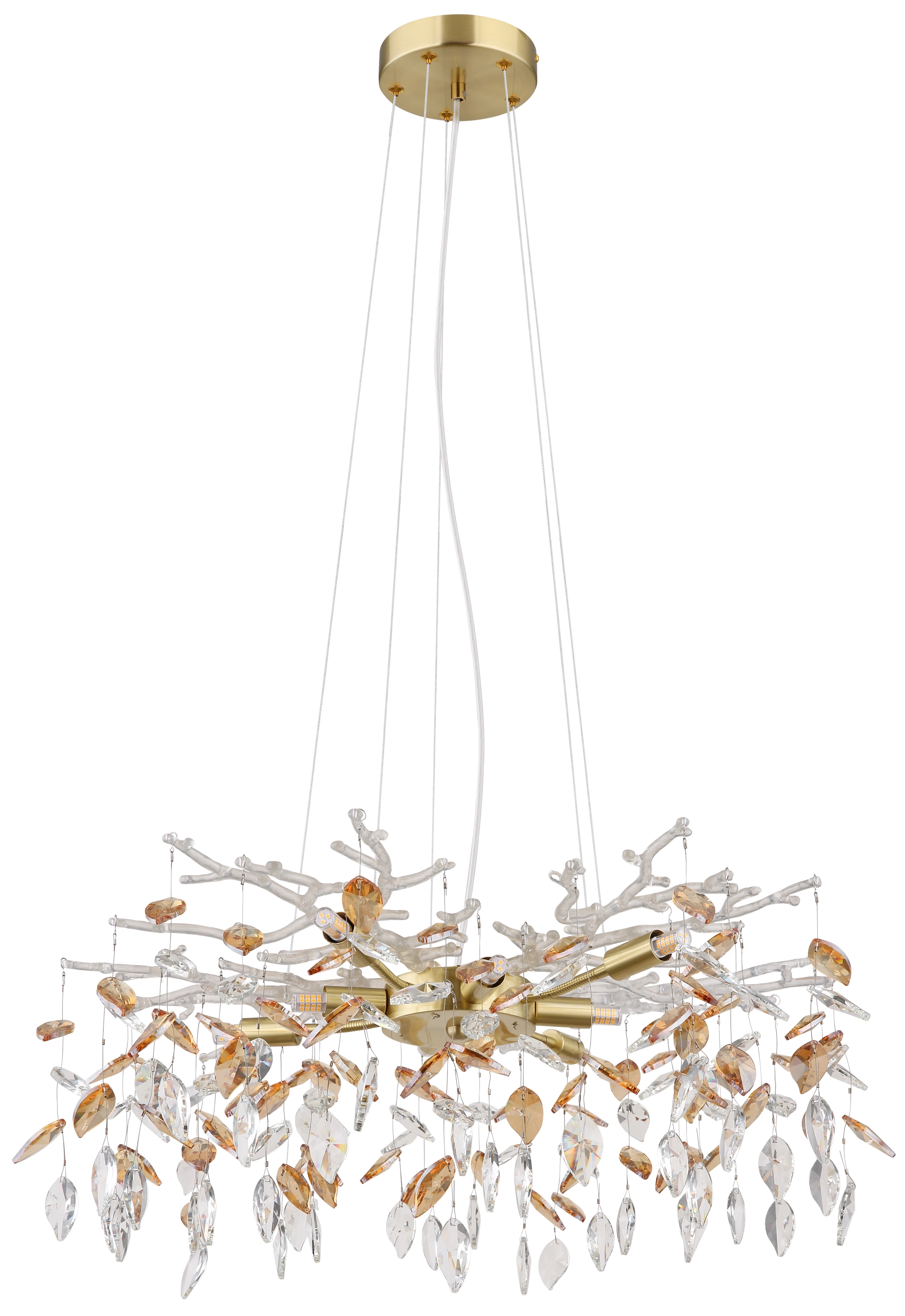
A noble chandelier is without a doubt a real highlight in your home. The splendor of a chandelier inspires even when it is switched off. The play of light, the refraction through glass, crystal and prisms as well as the elaborate and high-quality presentation create impressive lighting effects.
And once the light is switched on, a chandelier unfolds its full effect: light effects and the sparkling play of reflections create a noble, almost majestic atmosphere.
By the way, the terms chandelier and lustre are synonyms and all stand for the same type of lamps.
What are the variants of chandeliers?
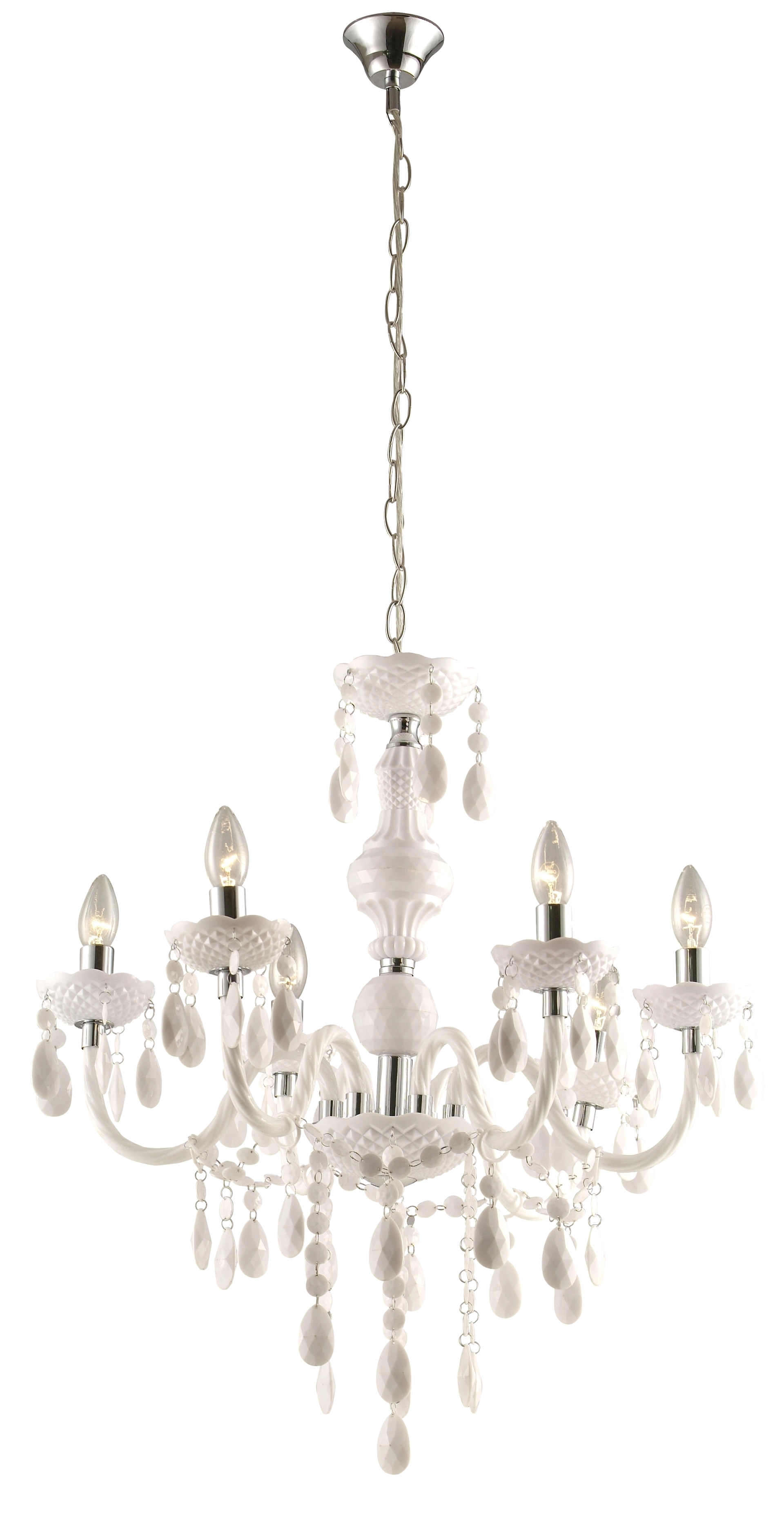
Chandeliers and lustres come in many different designs and styles. Classic chandeliers are often characterised by curved arms, ornate details, and sparkling crystals. They are reminiscent of past eras such as the Baroque and give rooms a traditional charm. Modern interpretations, on the other hand, break with these conventions. They are presented in clean lines, minimalist designs and innovative materials such as metal, glass or even wood. These modern chandeliers fit seamlessly into contemporary living styles while still making a striking statement. In addition, there are also special variants such as kitchen chandeliers, which combine functional light with stylish design.
Shapes of chandeliers
The variety of shapes of chandeliers is impressive. In addition to the classic, round chandelier, there are oval, rectangular or even square models. The choice of shape should be based on the room in which the chandelier is to hang. A round chandelier will look harmonious in a square room, while an elongated chandelier will look particularly good above a dining table. The ceiling height also plays a role: in rooms with lower ceilings, flatter models are recommended so as not to overwhelm the room.
Choose the right number of flames
The number of flames, i.e. the bulbs, determines the brightness and effect of your chandelier. In general, the larger the room, the more flames are recommended. For small rooms or areas where a cosy atmosphere is desired, chandeliers with few flames (e.g. 3-5) are sufficient. In larger rooms or above dining tables, where good lighting is important, you should use models with more flames (e.g. 6-12 or more). Also pay attention to the wattage and lumens of the individual bulbs to achieve the desired brightness.
With lampshade or without?
Another design decision is the question of the lampshade. Chandeliers with lampshades often appear more subdued and produce a softer, indirect light. They are particularly suitable for rooms where a cosy atmosphere is desired, such as the living room or bedroom. Chandeliers without shades, on the other hand, provide a brighter, more direct light. This option is ideal for rooms where a lot of light is needed, such as the dining room or the entrance area.
The right place: put your chandelier in the limelight
The placement of the chandelier is crucial to its effect. Above a dining table, it serves as a central eye-catcher and creates a festive atmosphere. In the living room, it can accentuate a cosy sitting area or brighten up the room as a whole. In the bedroom, it creates a romantic mood. Chandeliers can also make an impressive statement in entrance areas or stairwells. It is important that the chandelier fits the style of the room and that its size is correct in relation to the size of the room.
The right size of the chandelier
The size of the chandelier should always be in proportion to the size of the room. A chandelier that is too small looks lost, a chandelier that is too large overwhelms the room.
If darker colours prevail in the room, the chandelier may also be a little larger and have more flames.
If you want to place the chandelier above your dining table, then the diameter should be smaller than the narrow side of the table. For example, if your dining table has a size of 3 meters by 1 meter, then the diameter of the chandelier should be less than 100 cm.
Which bulbs are suitable for chandeliers?
Traditionally, candles were used in chandeliers, later light bulbs. Today, LED bulbs in particular are the first choice. They are energy-efficient, durable and available in various light colours. This allows you to adjust the mood of lighting according to your wishes. Whether warm white light for a cosy atmosphere or cool white light for clear illumination - with the right bulbs you can transform your chandelier into a real highlight. By the way, LEDs are also available as smart lights - so you can easily integrate your chandelier into your smart home.
Does it always have to be crystal?
No, it doesn't always have to be crystal! Although crystals give the chandelier a particularly sparkling and luxurious look, other materials such as glass, acrylic, metal or even wood can also create an impressive effect.
Cleaning chandeliers and lustres
Regular cleaning is important for your chandelier to retain its shine. Dust and dirt can affect the sparkle of the crystals and the luminosity of the bulbs. Depending on the model and material, there are different cleaning methods. For chandeliers with many crystals, careful cleaning with a soft cloth or a special crystal cleaning spray is recommended. For other models, a slightly damp cloth or a vacuum cleaner with a brush attachment can also be used. It is important that you remove the bulbs before cleaning and handle the chandelier carefully to avoid damage.